Hire AI Like You Mean It: Why Onboarding Beats Installation
Being ready for AI is a mindset, while being designed for it is a structural fact about your files, folders, and data. Treating AI like a new hire, with real onboarding and a check-in period, is what makes the results reliable.
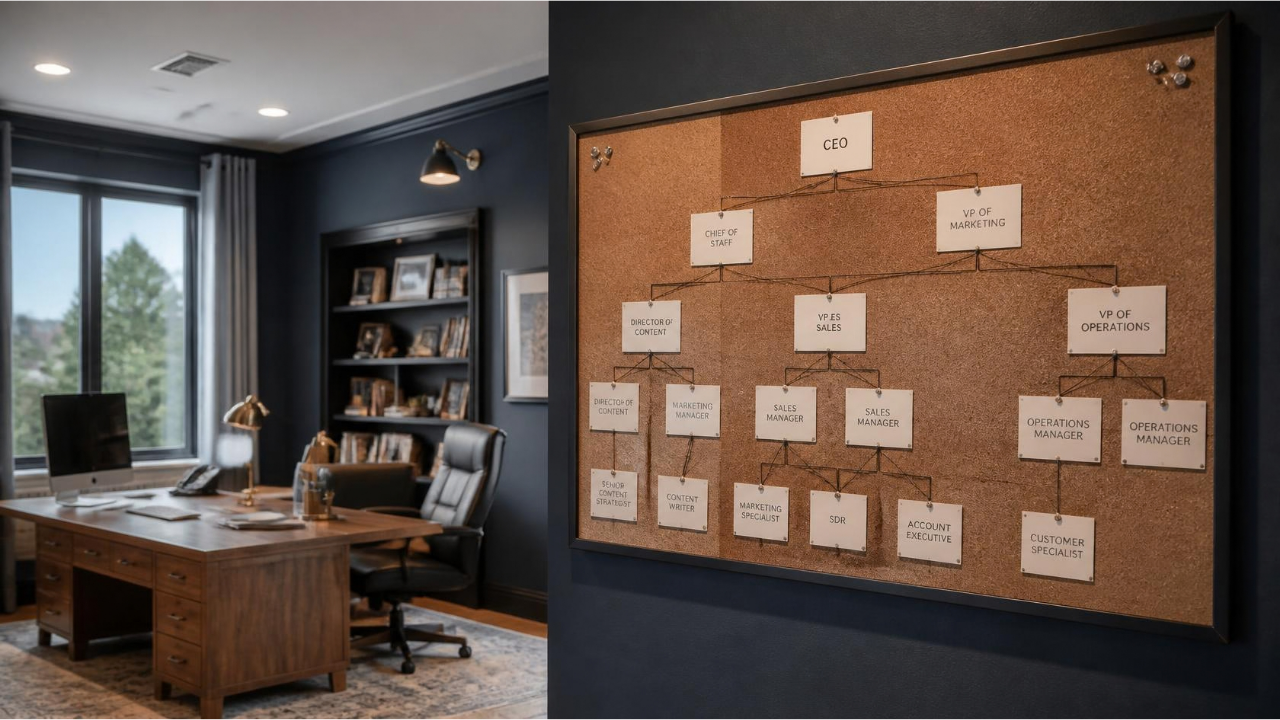
Most business owners ask themselves if they are ready for AI. That is the wrong question, or at least an incomplete one. The better question is whether your business is designed for AI, and those are not the same thing. Being ready is a mindset. Being designed for it is a structural fact about how your files, folders, and data actually work, and most businesses have never looked at that fact directly.
The Real Problem: Readiness Is Not the Same as Design
AI works with the data and the files you actually have. Not the data you think you have. Not the data you meant to organize eventually. The data sitting in your systems right now, today, in whatever condition it is currently in.
If that data is inconsistent, the results from any AI tool will be inconsistent too, no matter how good the tool is. This is the part most owners miss, because they experience their own business as organized. They know where things are. What they are actually doing, without realizing it, is compensating for a messy structure with memory and context that lives entirely in their own head.
Readiness measures your comfort level with the idea of AI. Design measures whether your structure can be understood by something that has never seen it before, has no memory of your habits, and gets no benefit of the doubt.
The Framework: Treat AI Like a New Employee, Not a New Tool
Most businesses buy AI the way they buy software. Install it, point it at existing systems, expect it to adapt. That is backward. A new piece of software adapts to your habits. A new team member does not, not on day one. They get trained.
AI deserves the same treatment. When you hire someone, you do not hand them a messy shared drive and say "figure it out." You walk them through where things live, how they are named, and what the rules are. You check in during their first weeks. You correct them when they deviate. That process is not optional because the employee is new. It is what makes them productive.
AI needs the same onboarding, and most businesses skip it entirely. They hand AI the same undocumented, inconsistent system a new hire would drown in, then act surprised when the results are unreliable. The tool did not fail at its job. It was never trained for the job in the first place.
This is also where the responsibility shifts from operations to your team. A file structure is not a one-time setup. It is a living system your team touches daily, and it only stays usable if everyone, human and AI, follows the same rules. A convention half your team ignores is not a convention. It is a suggestion, and neither a new employee nor an AI tool can work reliably off a suggestion.
What to Do: Onboard AI the Way You Would Onboard a Person
Start by writing the same document you would hand a new hire on their first day. Not a technical manual. A plain description of where things go, what gets named what, and who owns which type of data. If that document does not exist for your human team, build it first. AI cannot follow a standard your own people have never had written down.
Next, decide what AI is allowed to do without asking, and what still needs a person to check it, the same way you would define a new employee's authority in their first ninety days. A new hire does not get to approve invoices in week one. AI should not be making unsupervised decisions on data it was never trained to interpret correctly.
Then build in a check-in period. When you bring on a new employee, you review their early work more closely than you will six months in. Do the same with AI. Watch its first outputs closely, correct what is wrong, and treat that correction as part of onboarding, not as a sign the tool failed.
Finally, hold the standard the same way you would with a person. If a new hire kept ignoring the naming convention, you would address it directly, not quietly work around them. Apply that same discipline to AI and to the team members who are supposed to be following the same rules.
What to Pay Attention To
I worked with a client whose file structure had been in place for three years and was, by every human measure, working well. Their team could navigate it instantly. They knew a given file sat seven folders deep and roughly a third of the way down a long file list, and they got there without thinking twice.
What that business had never done was onboard anything new to that structure. Every person who used it had learned it slowly, over years, through trial and error. There was no document, no training, no standard, just accumulated familiarity. When we introduced AI, it had nothing to learn from and no one training it, because nothing had ever needed formal training before. We built that onboarding from scratch, the same way we would for a new employee, and only then did the AI work reliably.
Your business can feel completely organized and still have never onboarded anyone, human or AI, in a way that would let them succeed on their own. That gap is invisible until something new arrives that cannot fill it with memory the way your longest-tenured people can.